
Grant County Most Wanted Program
A most-wanted page is a short list an agency picks for attention, never a full ledger of Grant County outstanding warrants. The Grant County Sheriff posts no most-wanted page, no roundup list, and no roster of names; the office's own pages cover divisions and contacts. So a blank result proves nothing either way. Only the issuing court can confirm an active warrant. The U.S. Marshals District of New Mexico does run a federal fugitive program with a tip route, but that is a federal effort, not Grant County's, and it cannot stand in for the local court that issued a warrant.
No Grant Sheriff Roster Located
The Grant County Sheriff's official pages offer no active warrant list, no warrant search, no downloadable roster, and no dedicated warrant phone. OffenderWatch covers sex offenders, and the Corrections link is a custody roster. Neither counts as a local most-wanted list.
Official result: There is no Grant County roster to reproduce here. A local status question belongs with the issuing court.
For routing, call the Grant County Sheriff's Office at 575-574-0100 or central dispatch at 575-388-8840. These lines handle public safety, and staff may not be able to confirm every restricted warrant entry. If an online page demands money or personal details, check its domain and phone against the county government page. Skip any unofficial roster.
How Most Wanted Lists Work
When an agency does publish a curated list, it picks a handful of cases and gives them their own update schedule, removal rules, tip process, and safety warnings. Two things stay true in Grant County. A name left off a list does not mean no warrant exists. A name on a list is no substitute for confirmation from the issuing court. Grant County follows no published local update cadence, and the federal fugitive program does not reach every Grant County warrant. Go by what the official program itself posts.
Federal Fugitive Program Is Different
The U.S. Marshals District of New Mexico page lists district contacts, partner agencies, a SWIFT task force, and a 24-hour tip line. A federal program may carry public profiles. This one shares no names, photos, addresses, or case details here.
| Channel | Purpose | What it does not prove |
|---|---|---|
| Grant Sheriff contact | Local routing and safety questions | A complete local warrant roster |
| Issuing court | Confirm a Grant warrant and resolution step | Federal case status |
| U.S. Marshals program | Federal fugitive tips and task-force information | A Grant County court warrant |
| PACER | Public federal docket research | Sealed or unserved warrants |
Lead-in: the official PACER pricing page explains the federal docket channel.
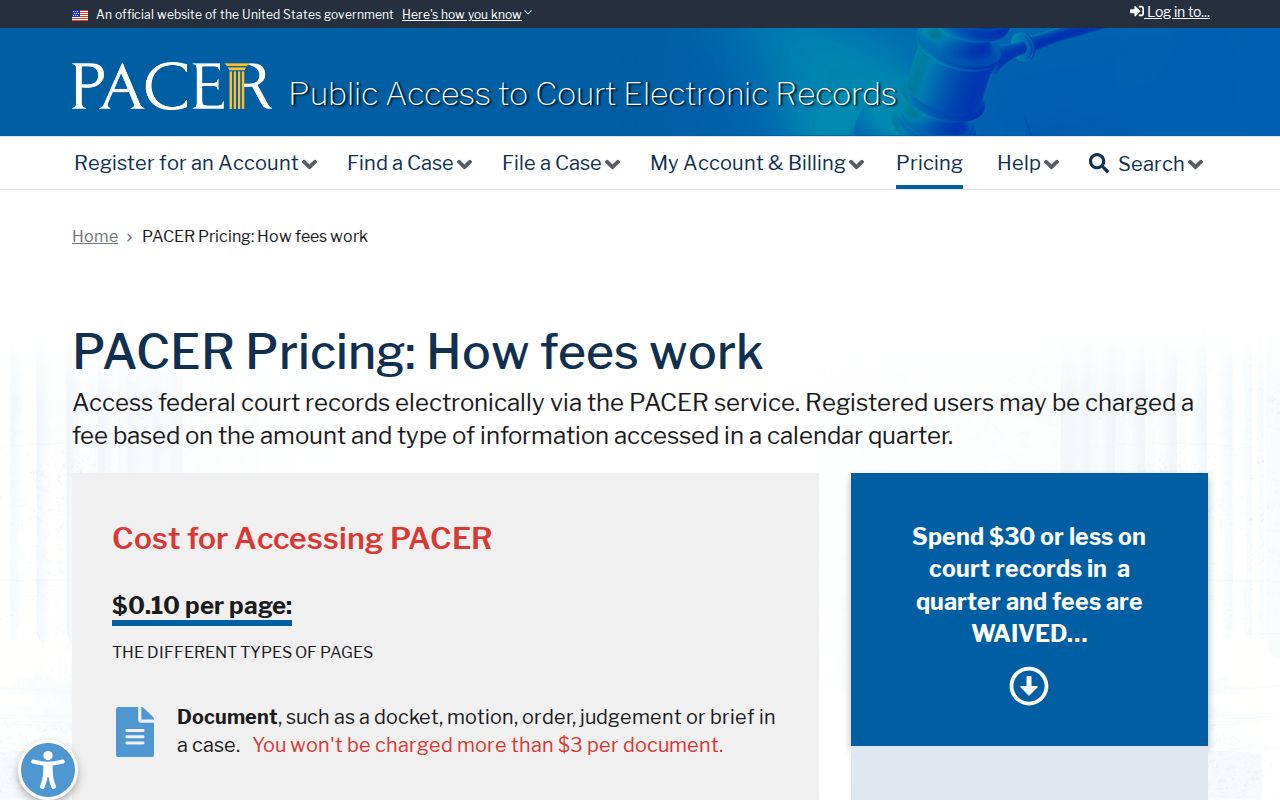
The federal search frame is not a Grant County warrant roster. Any federal matter naming the United States or the U.S. Marshals belongs in federal channels, discussed with a lawyer.
How to Report a Tip Safely
Report tips only through the route the agency itself publishes. The U.S. Marshals District of New Mexico page is the federal source for its program and tip information. An emergency means 911. For a non-emergency question about routing in Grant County, use the Sheriff's Office or dispatch number on its official page.
Safety rule: Do not approach, follow, contact, or post identifying details about a person shown in a law-enforcement program.
Give a tip line only what the agency asks for. Do not call one to ask whether a personal Grant County court warrant has been recalled. That answer comes from the issuing court.
Using the USMS Program Link Safely
Start with the official U.S. Marshals District of New Mexico page, which sits on the government domain. Read the program description there and use the tip route it publishes. Treat what you find as federal material. Do not copy a profile into a local roster or save a photo as a warrant record, and do not assume everyone named in a federal program has a Grant County case. If your own status is the worry, skip the program page. Call federal court contacts, talk to counsel, or search PACER for public docket research. PACER charges for pages, and sealed or unserved matters may not display. CourtListener or RECAP covers some public documents, though not all of them.
Most Wanted Versus Active Warrant
A most-wanted program is publicity. Someone at the agency picks cases worth public attention. An active warrant is different, a status a court or law-enforcement agency must confirm on the day you ask. The two overlap only when Grant County officials choose to publicize a case.
| Feature | Curated program | Active warrant record |
|---|---|---|
| Selection | Agency chooses a limited public set | Courts or systems record warrant events |
| Coverage | Not every warrant or court | Still limited by court and access rules |
| Best source | Official agency program page | Issuing court and authorized confirmation |
| Reader action | Safe tip route, no approach | Call the court about own status and resolution |
Grant County posts no official local roster, so the court-first route stays the best local option.
What a Curated Program Omits
A curated program leaves gaps. Sealed, juvenile, unserved, outdated, and lower-court matters may never appear. A profile can come down with no reason given, and a federal matter may show up with no Grant County docket behind it. A missing name proves nothing either way.
- Most wanted
- A selected public-safety program or list, not a complete warrant ledger.
- Active warrant
- A status requiring confirmation with the court or authorized agency.
- Custody roster
- A detention record showing custody information, not every warrant.
- Tip
- Safety information sent to the agency, not a request to recall a court order.
Keep each source and its purpose separate. That habit stops a federal page, a jail page, or a search snippet from standing in as the official Grant County court record.
When You Believe You Are Listed
Do not approach the agency or anyone shown in a program. Save the official URL instead. Call an attorney, then ask the issuing court or its warrant unit whether the information concerns you. A federal profile and a Grant County court docket are different records.
If it may be your case: Use official court or counsel contacts to ask about case number, current status, bond, surrender, and recall. Do not rely on a payment demand from an unknown caller.
Grant District Court answers at 575-538-3250; Magistrate I at 575-538-3811 and Magistrate II at 575-537-3042. City citations carry the municipal court number. The Sheriff's Office can route a service question but cannot replace the issuing court.
Custody List Versus Curated Program
Grant County Corrections posts a custody roster, but that page is neither a most-wanted program nor a full warrant list. Someone can sit in custody while the public never sees the warrant record. The reverse happens too. An unserved warrant simply will not show up on a custody page. For a relative's custody or bond-routing question, call Corrections at 575-534-3803, then take the warrant question to the issuing court.
Official Tip and Court Boundaries
Tip channels exist for public safety, while court clerks handle record and resolution questions. Records custodians do a third job. They process specific IPRA requests. Grant County's GC-PRP-1 form can fetch an existing record if the court or agency is named with reasonable particularity, though it cannot build a current most-wanted roster or confirm instant clearance. For a document, file through the official county IPRA portal or the court IPRA form.
Describe and Link, Never Republish
Descriptions of official public-safety programs belong here, with links to their government sources and nothing more. No names, photographs, mugshots, addresses, or rosters of individuals are republished. That line protects readers from stale or misread details. It also keeps the local record question with the agency that maintains it. In Grant County, the issuing court remains the strongest current source, and a federal tip goes to the U.S. Marshals page. Confirm every status before relying on it.